
Ford Trucks for Sale FAQs
The Growing Lineup of Ford Trucks for Sale in Phoenix
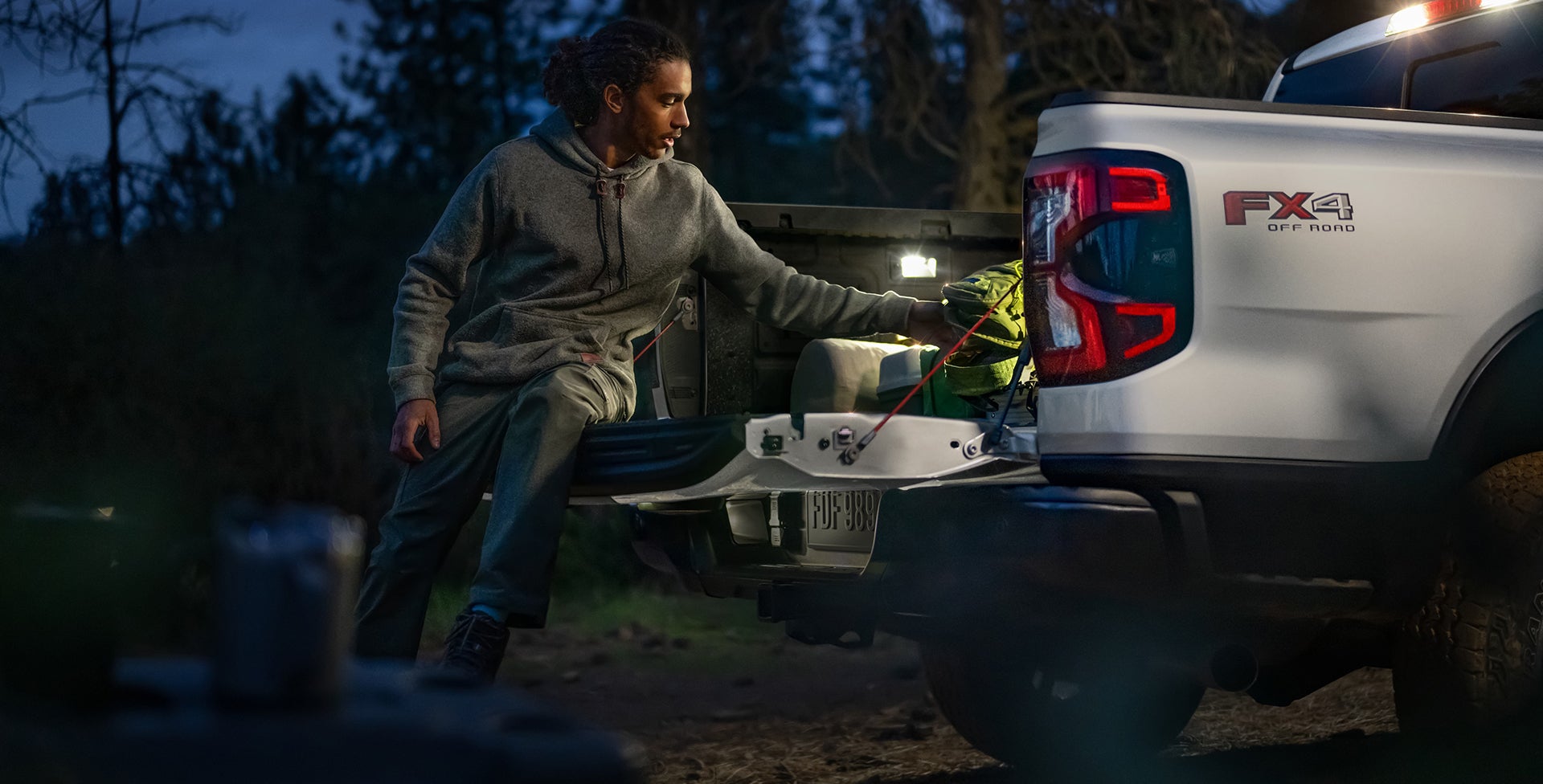
The 2026 Ford truck lineup starts with the top selling truck of all time, the Ford F-150; and it continues with the top selling commercial line, the F-Series, including the F-250, F-350 and larger models.
Topping the midsize truck class, the new Ford Ranger has earned the 2025 NACTOY Truck of the Year. It also earned Edmunds TopRated Truck and the #1 midsize truck rating at Motor Trend.
Available with an Ecoboost or Hybrid powertrain, the 2025 Ford Maverick received a Car and Driver 10Best Trucks & SUVs award, a Kelley Blue Book 2025 Best Buy Award, and a Vincentric 2025 Best Value in America Award for its XL trim.
And all of these trucks are available now at Earnhardt Ford. We've been helping customers find a new or used truck for 65 years! Our knowledgeable staff includes Spanish speakers in every department.
Ford Trucks for Sale FAQs

What's The Difference Between F-150, F-250, and F-350?
The main differences lie in capability and intended use. A Ford F-150 (Light-Duty) is best for daily driving, light towing, and weekend projects. Ford F-250 (Heavy-Duty) is best for heavy towing and large trailers. Ford F-350 (Super Heavy-Duty) is best for commercial use and massive towing.
To put it another way, the Ford F-150 is a logical choice for many trades people who don’t need to move big loads every day. These light duty, full size trucks for sale are also commonly used by many businesses that need occasional truck capability. Ford Super Duty trucks are logical choices for dedicated work trucks.
With the F-150, towing capacity is up to 14,000 lbs, and payload is up to 3,325 lbs. F-250 towing capacity is up to 20,000 lbs, and payload capability up to 4,260 lbs. F-350 towing capacity reaches 35,000 lbs with a gooseneck hitch. Payload capability for F-350s can reach 7,850 lbs.
Ford Maverick vs Ford Ranger: What's the Difference?
Choose Maverick for: Daily commuting, light hauling, maximum fuel economy, budget-conscious buyers
Choose Ranger for: Serious towing, off-roading, traditional truck feel, more passenger space, affordable alternative to full-size truck
Size and Capability:
- Maverick: 199 inches long, 1,500 lb payload, 2,000-4,000 lb towing
- Ranger: 211 inches long, 1,860 lb payload, 7,500 lb towing
Fuel Economy:
- Maverick Hybrid: 42 mpg city, 33 mpg highway
- Maverick AWD: 26 mpg city, 29 mpg highway
- Ranger: 21 mpg city, 26 mpg highway
Price Difference: Maverick typically costs $6,000-10,000 less than Ranger
Ford Ranger Vs F-150: Which Should I Choose?
Choose Ford Ranger if:
- You want better fuel economy (21-26 mpg vs 17-24 mpg)
- Easier parking and daily maneuverability matters
- You don't need to tow more than 7,500 lbs
- Budget is a concern (typically $8,000-12,000 less than F-150)
- You like off-road capability (excellent ground clearance)
Choose F-150 if:
- You need maximum towing capacity (up to 14,000 lbs)
- You want more interior passenger space
- You regularly haul heavy cargo in the bed
- You prefer more engine options
- You need heavy-duty work truck capability
What's The Difference In Ford F-150 Truck Cab Sizes?
The Regular Cab has 2 doors, 2-3 seats, and the most cargo bed space. It’s best for work trucks where passenger space isn’t a priority. SuperCabs have four doors with smaller rear doors and seats from 5 to 6. It’s a good compromise between bed space and passenger comfort. SuperCrew cabs have 4 full-size doors, 5-6 seats, and maximum rear legroom. They are considered the best for families.
What's The Best Ford Truck For Daily Driving?
Choose the Ford Maverick for truck utility with car-like fuel economy, urban maneuverability, and affordability.
Choose the Ford Ranger if you want light-duty-like towing capacity in a midsize truck that’s proven its worth over and over.
Choose the Ford F-150 SuperCrew with 2.7L EcoBoost Powertrain for plenty of interior space, a comfortable ride quality, modern technology features, and good fuel economy for its size. This configuration is also easier to park than larger trucks.
Should I Buy A New Or Used Ford Truck?
Used Ford trucks for sale offer real value. Every model offers cutting edge technologies, load-moving performance, and a combination of features for work and play. Despite the high demand for pickups in our area, Earnhardt Ford makes sure to keep a good supply of used trucks. This ensures that more customers can get behind the wheel of a durable Ford pickup. If you are a Spanish speaking customer, please be assured that we have Spanish speakers in every department to assist you.
Choose new if:
- You plan to keep the truck 8+ years
- You want the latest technology and safety features
- You qualify for manufacturer incentives
- You prefer warranty coverage peace of mind
Choose used if:
- Budget is your primary concern
- You're okay with 2-3 year old technology
- You've found a well-maintained truck with service records
- You don't drive more than 15,000 miles annually
Sweet spot: 2-3 year old certified pre-owned trucks offer the best value, combining newer features with significant depreciation savings.
Tow Ratings, Bed Sizes, and Cargo Capacity
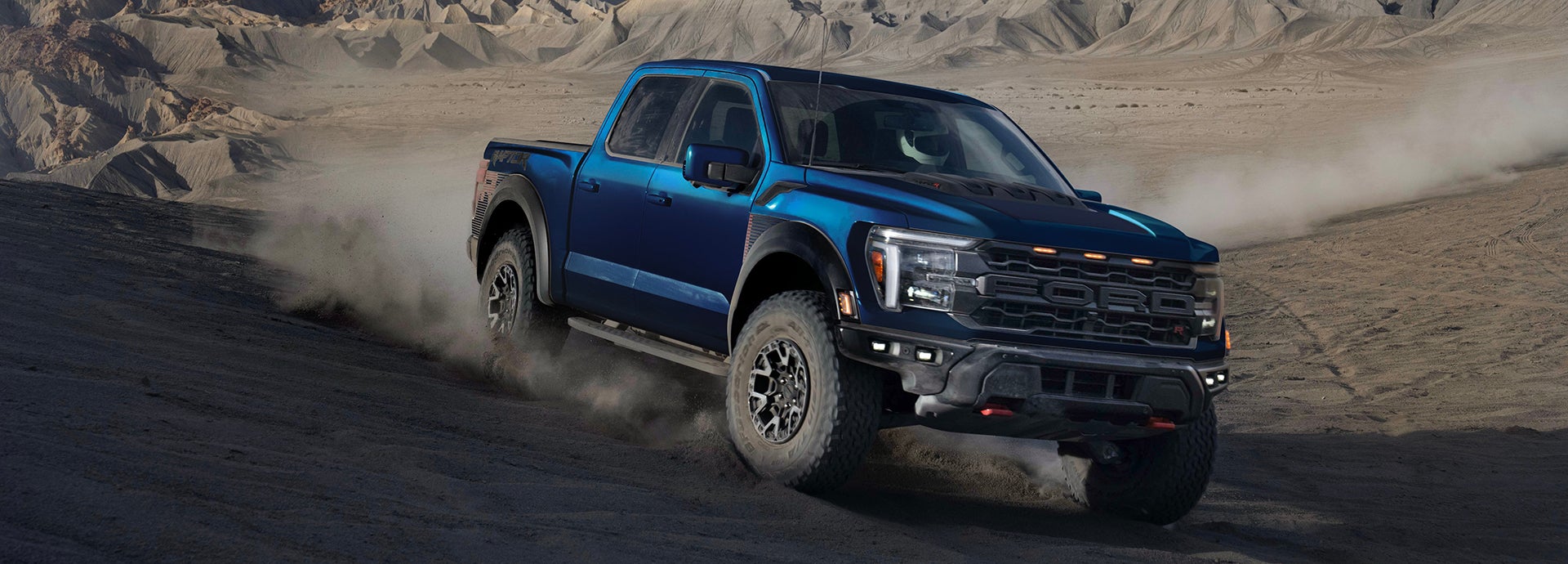
Which Ford truck is best for towing a travel trailer?
For trailers under 8,000 lbs: Ford F-150 with the 3.5L EcoBoost V6 engine handles most travel trailers comfortably while maintaining good fuel economy.
For trailers 8,000-15,000 lbs: Ford F-250 with the 6.7L Power Stroke diesel provides the torque and stability needed for larger trailers.
For trailers over 15,000 lbs: Ford F-350 with diesel engine and appropriate gearing is your best choice, especially with fifth-wheel or gooseneck setups.
Pro tip: Always leave a 20% buffer in your towing capacity for safety and better performance.
How Much Can A Ford F-150 Tow?
Ford F-150 towing capacity varies by configuration. For instance, the regular cab can tow up to 14,000 lbs. The SuperCab configuration can pull up to 13,200 lbs. SuperCrews with the short bed can pull up to 12,700 lbs.
What Are the Key Factors Affecting Towing With A Ford Truck?
If you are choosing a Ford truck for towing, the engine choice is obviously the first factor. However, it also matters how much the truck weighs. Therefore, shoppers must consider how cab-bed configuration and trim level options contribute to weight. Next, the axle ratio is important to the truck’s strength. A 3.73 rear axle is recommended for heavy towing. Dual-wheel trucks can move bigger loads than single-wheel loads.
How Much Can A Ford Maverick Tow?
Ford Mavericks can tow 2,000 or 4,000 pounds, depending on the engine choice and drivetrain. Here’s the towing capacity by configuration:
Maverick Hybrid (FWD): 2,000 lbs
- Perfect for small utility trailers
- Jet skis or small boats
- Light camping trailers
Maverick EcoBoost (FWD): 4,000 lbs
- Small travel trailers
- Larger boats (up to 18-20 feet)
- Multiple ATVs or motorcycles
Maverick EcoBoost (AWD): 4,000 lbs
- Same as FWD EcoBoost but with better traction
- Better for boat launches and rough terrain
- Improved confidence in weather conditions
Important: Maverick requires an available 4K Tow Package for maximum capacity.
How Much Can A Ford Ranger Tow?
Ford Ranger towing capacity: Up to 7,500 lbs when properly equipped
Requirements for maximum towing:
- 2.3L EcoBoost engine (standard)
- Tow package (Class IV hitch receiver)
- Appropriate rear axle ratio
- SuperCrew or SuperCab configuration
Real-world towing capability:
- Boat trailers: Most boats up to 22-24 feet
- Travel trailers: Trailers up to 6,000 lbs for comfortable towing
- Utility trailers: Excellent for landscaping, moving, construction materials
- Small campers: Perfect for pop-up campers and small travel trailers
What Ford Truck Bed Size Should I Choose?
6.5-foot bed (most popular):
- Fits in most garages
- Handles 4x8 plywood sheets (diagonally)
- Good balance of utility and maneuverability
8-foot bed (work trucks):
- Fits 4x8 sheets flat
- Maximum cargo volume
- Better for contractors and heavy haulers
- Longer wheelbase for stability when loaded
5.5-foot bed (crew cab):
- Most passenger space
- Limited cargo capacity
- Good for occasional truck duties
How Much Weight Can I Put In My Ford Truck Bed?
Payload capacity by model:
- F-150: 1,800-3,325 lbs
- F-250: 3,000-4,260 lbs
- F-350: 4,500-7,850 lbs
Important: Payload includes passengers, cargo, and tongue weight from trailers. Always check your specific truck's door sticker for exact payload rating.
Maintenance and Ownership Costs
Which Ford Truck Has The Best Fuel Economy?
Best overall MPG: Ford Maverick Hybrid
- EPA rating: 42 mpg city, 33 mpg highway
- Ideal for light-duty truck needs
Best full-size truck MPG: Ford F-150 with 3.3L V6
- EPA rating: 19 mpg city, 25 mpg highway
- Good balance of capability and efficiency
Best for heavy towing: Ford F-150 PowerBoost Hybrid
- EPA rating: 25 mpg city, 26 mpg highway
- Maintains good economy even when towing
How Much Does Ford Truck Maintenance Cost?
Annual maintenance costs (averages):
- Maverick: $430-$775 per year
- Ranger: $450-$615 per year
- F-150: $650-$850 per year
- F-250/F-350 gas: $750-$950 per year
F-250/F-350 diesel: $1,200-$1,500 per year
How Does Full-Size Ford Trucks’ Gas Mileage Compare?
F-150 fuel economy averages 20-25 mpg, depending on the engine. F-250s tend to earn 15 to 20 mpg. F-350 gas mileage averages 13-18 mpg.
When Is The Best Time To Buy A Ford Truck?
Best deals on Ford trucks for sale typically occur:
- End of model year (September-November): Largest incentives on outgoing models
- End of calendar year (December): Dealers clearing inventory
- End of quarter (March, June, September): Sales quota pressure
- Holiday weekends: Memorial Day, Labor Day often have special promotions
Pro tip: Talk to our truck specialists and ask them to keep you informed about the best deals on Ford trucks. Contact us.
What Safety Features Come Standard On Ford Trucks for Sale?
Standard safety features (varies by model year):
- Ford Co-Pilot360: Pre-collision assist
- Blind spot monitoring, rear cross-traffic alert
- Adaptive cruise control with stop-and-go
- Lane keeping assist and lane centering
- AdvanceTrac electronic stability control
- Curve control and rollover mitigation
- SOS Post-Crash Alert System
- Tire pressure monitoring
Available advanced features:
- 360-degree camera system
- Trailer backup assist
- Blind spot monitoring for trailers
Ford Ranger FAQs
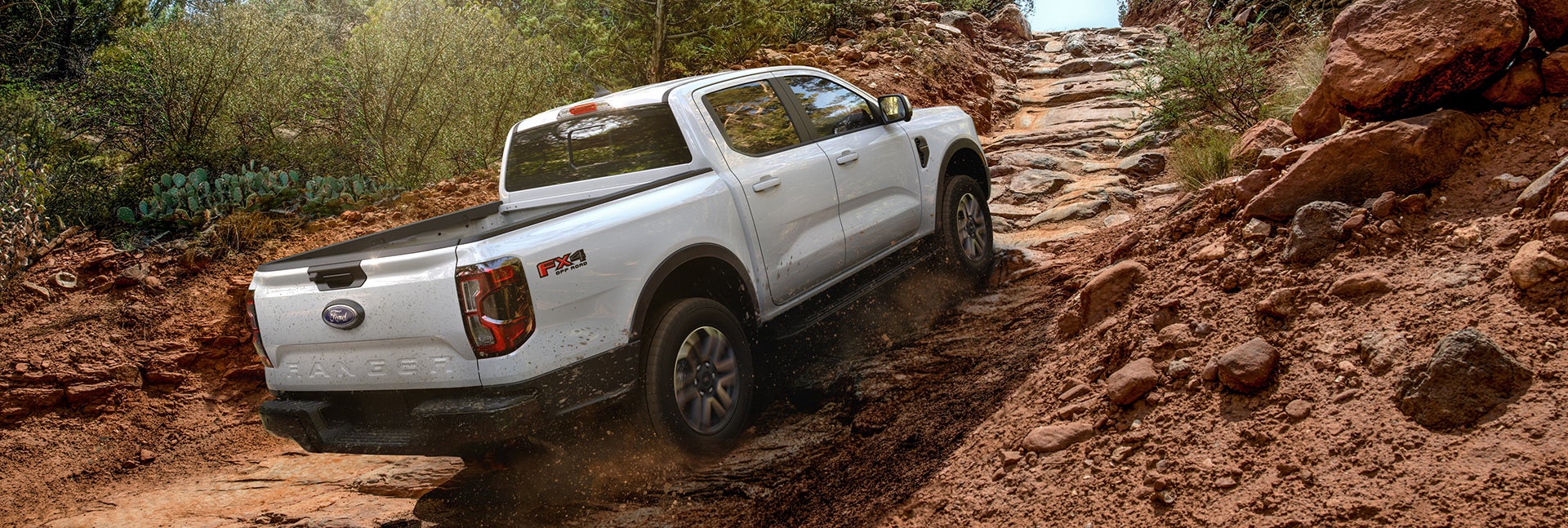
Is The Ford Ranger Good For Off-Roading?
The Ford Ranger can claim excellent off-road capability, especially compared to other midsize trucks: Standard off-road features:
- 8.9 inches ground clearance
- Terrain Management System with multiple drive modes
- Electronic locking rear differential (available)
- Skid plates for undercarriage protection
Best for: Trail driving, camping access, light rock crawling, sand/snow driving
What are the Ford Ranger Off-Road Packages?
Shoppers can choose from the affordable FX-4 Off-road Package, the Tremor Package or go for the exciting Ranger Raptor.
- FX4 Off-Road Package: Upgraded shocks, all-terrain tires, rock rails
- Tremor Package: 30.9-inch tires, front bash plate, upgraded suspension
Ranger Raptor: Top off-roading equipment
Is the Ford Ranger Reliable?
Yes, the Ford Ranger has proven reliable since its 2019 return to the US market:
- Engine reliability: The 2.3L EcoBoost engine is shared with other Ford vehicles and has a solid track record
- Expected lifespan: 200,000+ miles with proper maintenance
- Common issues: Minimal major problems reported, mostly minor electrical or software updates
- Powertrain coverage: Standard 5-year/60,000-mile warranty provides peace of mind
Maintenance costs: $50-75 less annually than F-150 due to smaller size and components.
Ford Maverick FAQs
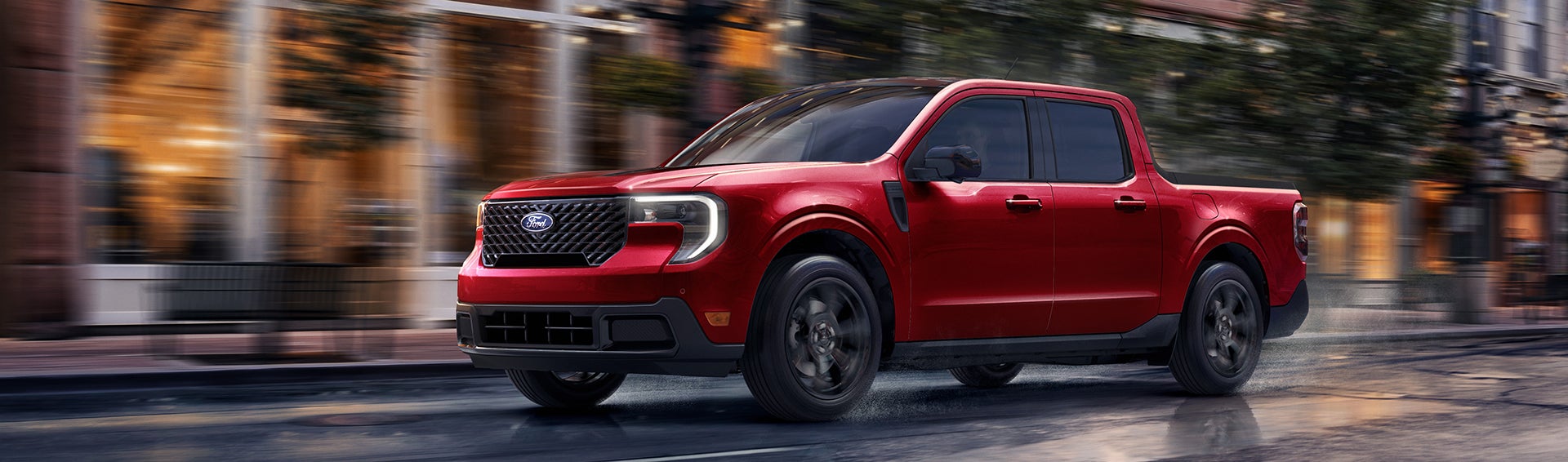
Is the Ford Maverick a "real truck"?
Yes, but it's designed differently than traditional trucks:
True truck features:
- Separate bed with 4.5-foot length
- 1,500 lb payload capacity
- Available all-wheel drive
- Ground clearance suitable for light off-roading
Compromises for efficiency:
- Unibody construction (like SUVs) vs body-on-frame
- Smaller size overall
- Lower towing capacity
- Less heavy-duty capability
Best described as: A compact truck perfect for people who want truck utility without full-size truck costs and fuel consumption.
Is Ford Maverick Good On Gas?
Maverick Hybrids earn up to 42 mpg in the city. Maverick Ecoboost earn a respectable 29 mpg on the highway. From a financial standpoint, consider that Maverick hybrid fuel costs about $1,200 less annually than an average full-size truck. Here’s how it breaks down:
Maverick Hybrid:
- 42 mpg city, 33 mpg highway (EPA ratings)
- Real-world average: 35-40 mpg in mixed driving
- Annual fuel savings: $800-1,200 vs traditional trucks
Maverick EcoBoost:
- 26 mpg city, 29 mpg highway (AWD gets slightly less)
- Still excellent compared to larger trucks
- Annual fuel savings: $400-600 vs F-150
Can You Sleep In A Ford Maverick Bed?
Bed dimensions: 54.4 inches wide, 32.6 inches between wheel wells, 4.5 feet long
Sleeping options:
- Diagonal sleeping: Most adults can fit diagonally (about 6 feet of space)
- Tailgate down: Extends usable length for taller individuals
- Truck bed tent: Several aftermarket options available
- Bed caps/toppers: Create enclosed sleeping area
Comfort level: Better for weekend camping than extended trips. Consider air mattresses designed for truck beds.
Is Ford Maverick available in 4-wheel drive?
Available as AWD (Intelligent All-Wheel Drive):
- Not traditional 4WD with transfer case
- Automatically sends power to rear wheels when needed
- Better for snow, rain, and light off-road conditions
- Cannot be locked into 4WD mode like traditional trucks
AWD benefits:
- Improved traction in weather
- Better performance on gravel roads
- Slightly higher ground clearance
- Enhanced resale value
Note: Hybrid version is FWD only; AWD requires EcoBoost engine.
Ford Truck Reliability and Dependability
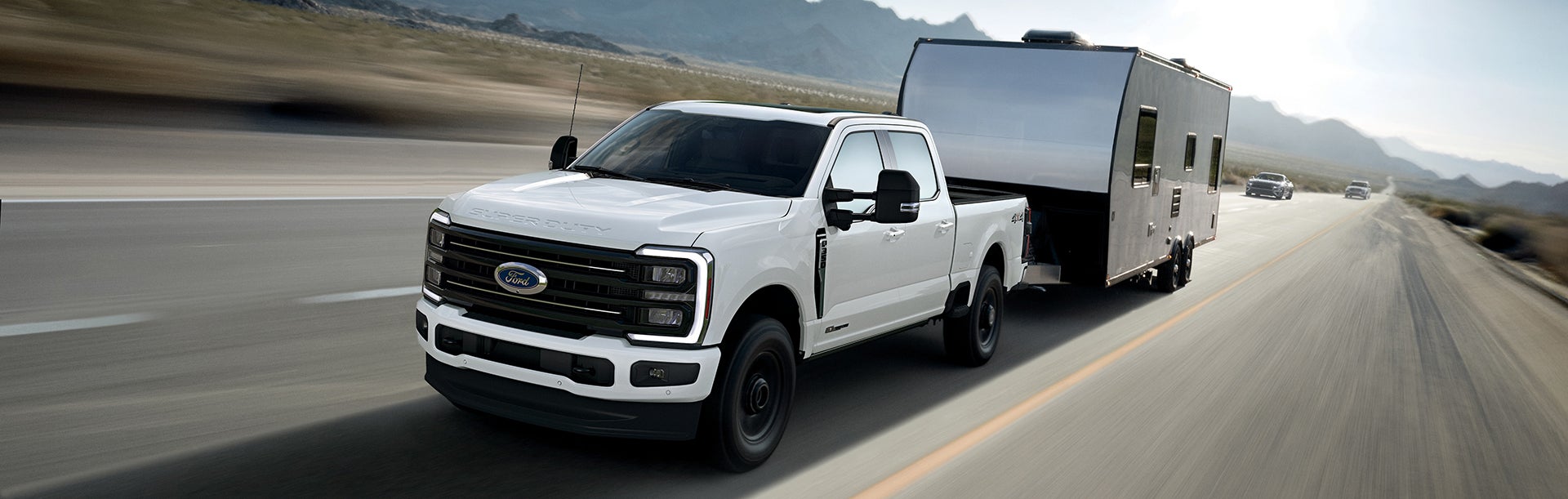
How Long Do Ford Trucks Last?
With proper maintenance, Ford F-150s may last as long as 200,000 to 300,000 miles. F-250s and F-350s may last 250,000 to 400,000 miles. It’s important, however, to make sure the trucks are appropriately equipped for the loads they move. Exceeding tow ratings or payload capacity, even once, can have catastrophic effects on the truck’s long-term prospects.
What Factors Extend Ford Truck Life?
- Regular oil changes every 5,000-7,500 miles
- Following manufacturer maintenance schedules
- Using the truck within its designed capabilities
- Addressing issues early before they become major problems
- Quality replacement parts when repairs are needed
What's The Most Reliable Ford Truck Engine?
Based on long-term reliability data:
Most reliable: 5.0L V8 Coyote engine
- Proven track record since 2011
- Simple, naturally aspirated design
- Lower maintenance costs
- Expected lifespan: 200,000+ miles with proper care
Close second: 3.5L EcoBoost V6
- Great power and fuel economy balance
- More complex but generally reliable
- Higher maintenance costs due to turbochargers
- Expected lifespan: 180,000+ miles
Diesel option: 6.7L Power Stroke (F-250/F-350)
- Excellent for heavy-duty use
- Higher upfront cost but better fuel economy when towing
- Requires diesel-specific maintenance knowledge

Price(s) plus government fees such as Tax, Title & License. On all vehicles, actual vehicle sale price and payments may vary for various reasons - including but not limited to - applicable manufacturer rebates, special limited time offers, dealer incentives, government taxes, licensing fees, buyer's credit qualifications, dealer installed accessories or market product (or vehicle) scarcity. Financing on approved credit. Must qualify for some offers. Some offers may not be available with special financing, lease and certain other offers.
Although every reasonable effort has been made to ensure the accuracy of the information contained on our website, absolute accuracy cannot be guaranteed. Dealer cannot be held liable for data that may be listed incorrectly. While we make every effort to ensure the data listed here is correct, there may be instances where some of the factory rebates, rates, incentives, options or vehicle features may be listed incorrectly as we receive data from multiple data sources. All vehicles are subject to prior sale. Not responsible for typographical errors. Equipment added by the dealer or the purchaser will increase the overall transaction amount
Refer to our Privacy and User Consent for details about information we collect and various communication methods we will use to assist customers. By providing your contact information to ANY form contained in – or connected to – this website, you are hereby agreeing to receive text messages from this dealership and our affiliates or partners at the number(s) and/or information which you have provided. You are also expressly consenting to recurring contact from the aforementioned company or its business partners at the number you provided regarding products or services via live, automated or prerecorded telephone call, text message or email. You understand that your telephone provider may impose charges on you for these contacts, and you are not required to enter into this agreement/consent as a condition of purchasing property, goods, or services. You also understand that you may revoke this consent at any time by notifying the dealership in writing.
Max payload/towing estimate ratings shown.
Additional options, equipment, passengers, and cargo weight may affect payload/towing weights. See dealer for details.